
Modified Ford Escort Cosworth

US car specialists GeigerCars.de from Munich have turned this established wisdom on its head, presenting their hottest shot with eye-catching bright green paintwork, the GeigerCars Ford GT Geiger HP790. Karl Geiger’s latest creation lives up to its name: the super sports car’s 5.4 litre V8 engine can reach a terrific 790 horsepower, an impressive 240 HP more than its series equivalent. Above all the replacement of the series-produced 2.3 litre with a more powerful 4.0 litre compressor which blasts the combustion chamber at over 1.25 bars. Larger throttle valves and a sports filter were also installed to supply the eight cylinders with even more fresh air. The engine and gear cooling systems had of course also to be adjusted to the new design as well as engine electrics.


GeigerCars Ford GT Geiger HP790 shoots to 100km/h in just 3.6 seconds, breaks the 200km/h mark 6 seconds later and reaches 300 kilometres an hour in only 22.8 seconds – all this to bloodcurdling roars from the two 110-millimetre sports exhaust tail pipes – an in house development. Thrust and air resistance don’t balance until you hit 360km/h. The supercharged V8 reaches maximum power at 6320 rpm and its maximum torque – 863 Newton metres – at just 4600 revolutions.
The classic Ford sports car proportions are taken even further with 60-millimetere lowering. The wheel housing can’t high superb matt black alloy wheels outlined in the car colour, mounted in 9×20 inches at the front and an impressive 11×21 at the rear. 245/35R20 Dunlop SP Sport Maxx tyres on the front axle ensure precise transmission of wheel commands whilst the drive axle 325/30R21 tyres constantly fight for grip and traction – if only so they don’t disappear in a cloud of blue smoke.
Full details, prices and delivery information are available from: GeigerCars.de GmbH www.geigercars.de


Steeda Autosports is putting a Fiesta on display that has serious handling and performance upgrades for enthusiasts. A short-throw shifter and cold air intake developed by Steeda up the performance level. Additionally, tuned front and rear lowering sport springs, retuned dampers, antiroll bars and a front strut tower brace provide what enthusiasts are looking for in a high-performance car.
 ford cars wallpapers
 ford cars pictures
 ford cars concept
 ford cars 2009 images
 ford cars pics
 ford cars gallery
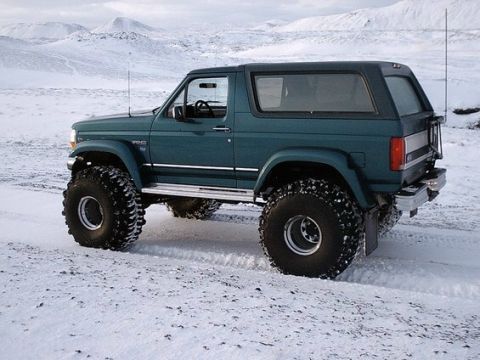 ford bronco pictures
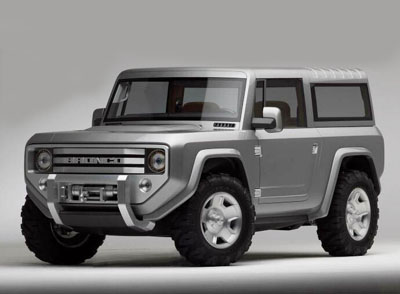 ford bronco
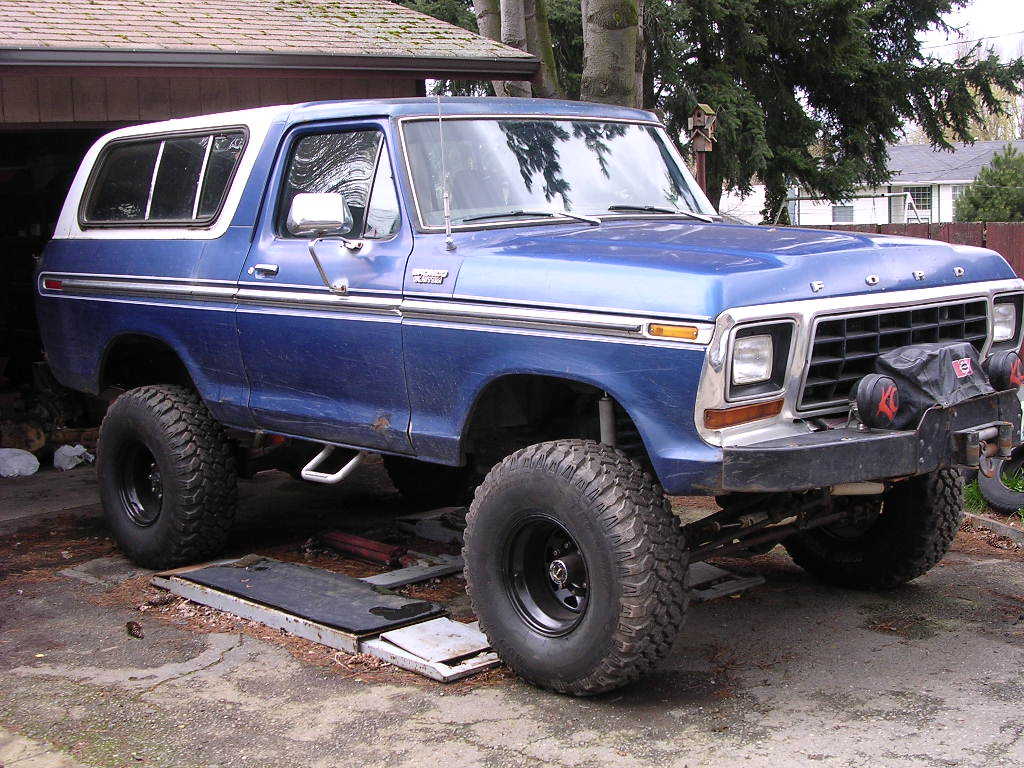 ford bronco pics
 ford bronco images
 ford bronco
 ford bronco jim
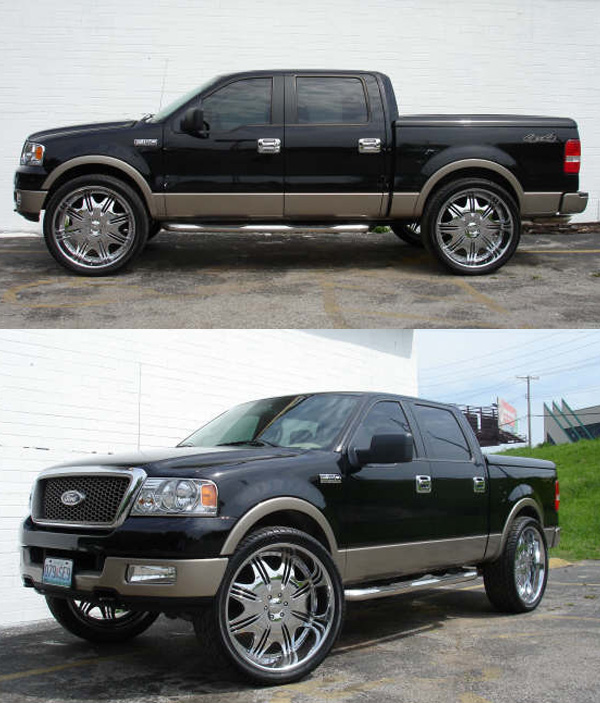 Ford F150 Condo
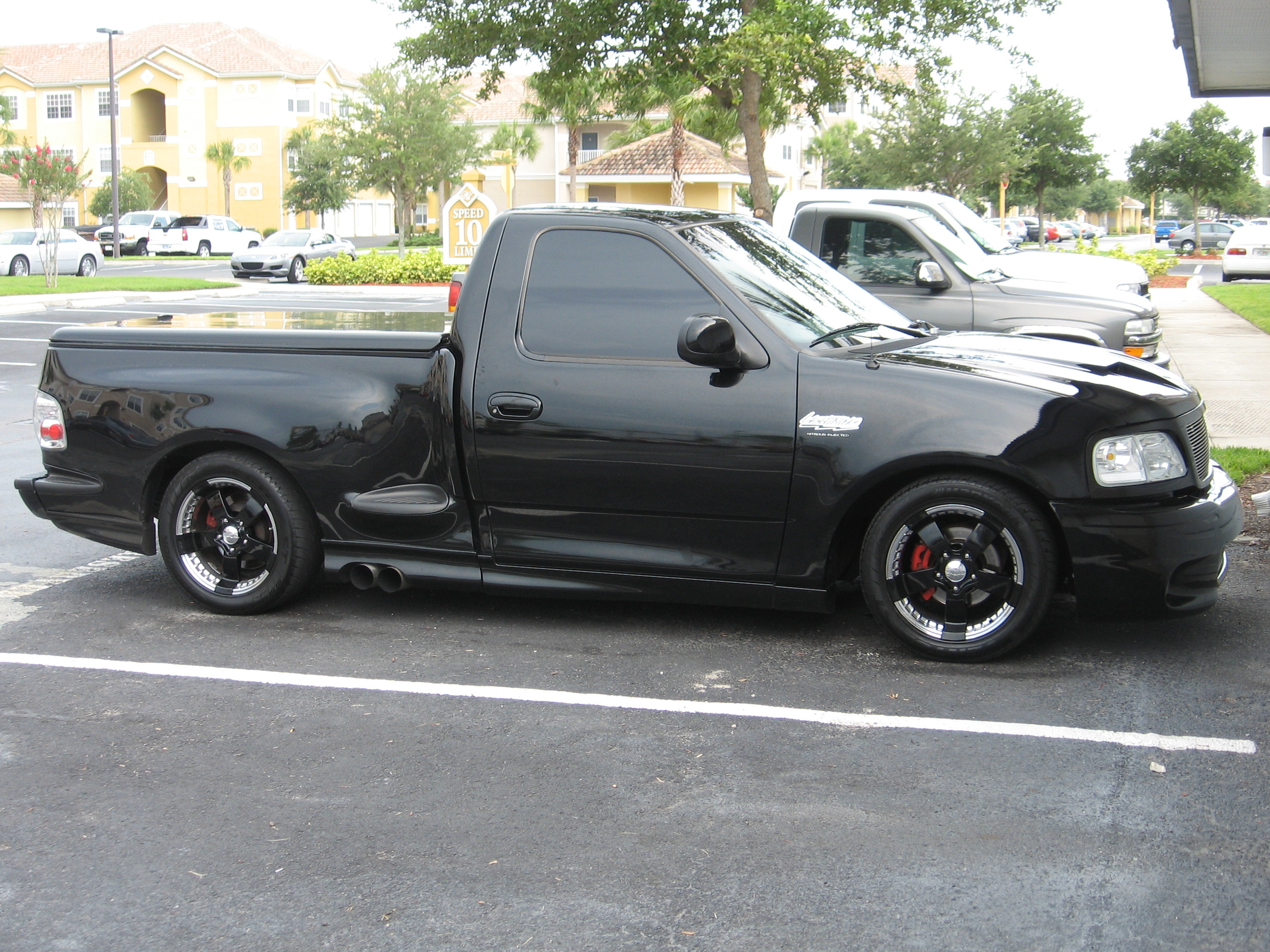 Ford F150 Lightning
 Ford F150 Gallery
 Ford F150
 Ford F150
 Ford F150 Review
 Ford F150 2009
 ford future cars
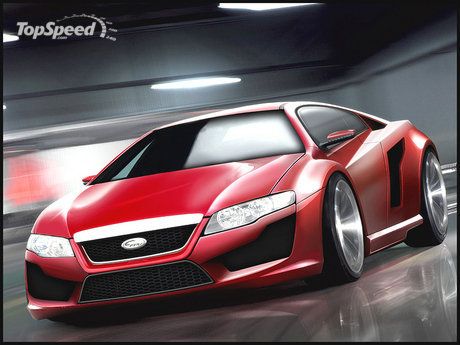 future ford cars
 cubic inch displacement of engines,american ford cars
 new ford cars
 ford race cars
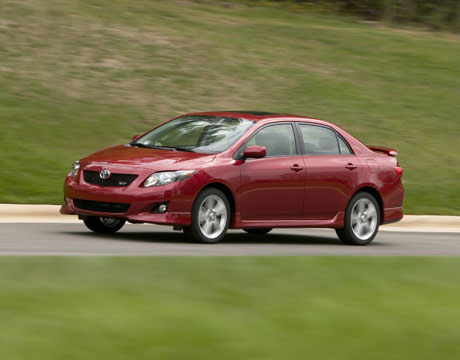 ford hybrid cars
 old ford race cars
 classic ford cars
 ford hybrid cars
 red ford sports carsford muscle carsford cars ukhistory of ford cars
 ford cars club
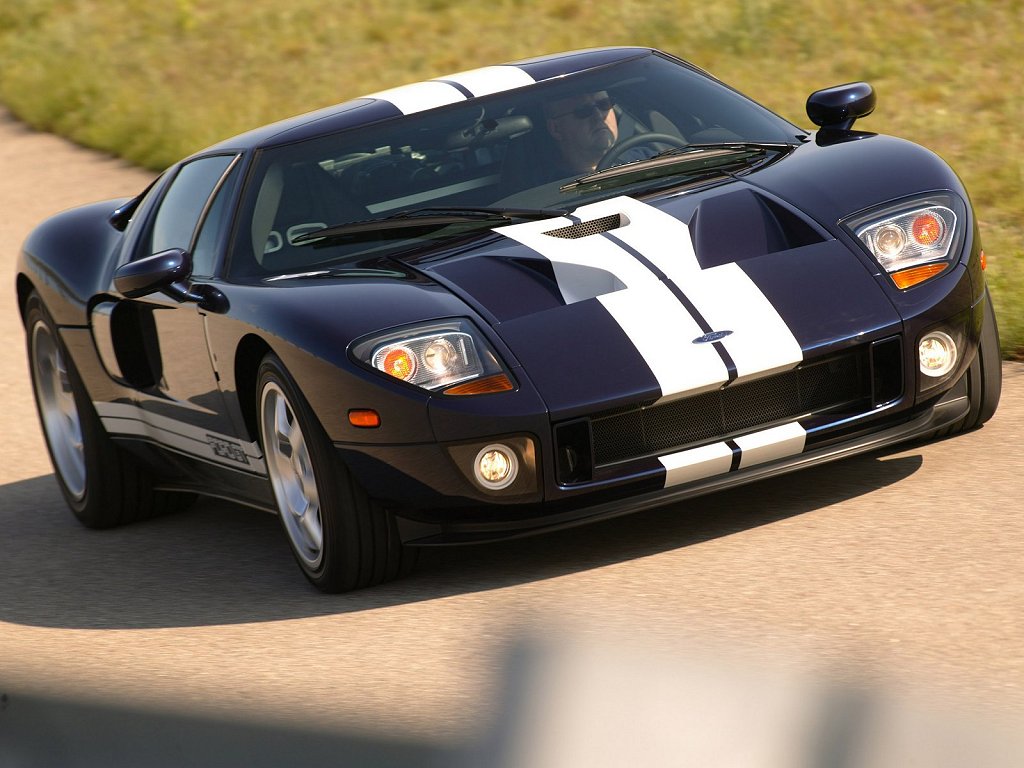
 Ford cars
 Ford canada announcement small car
 Henry ford first car
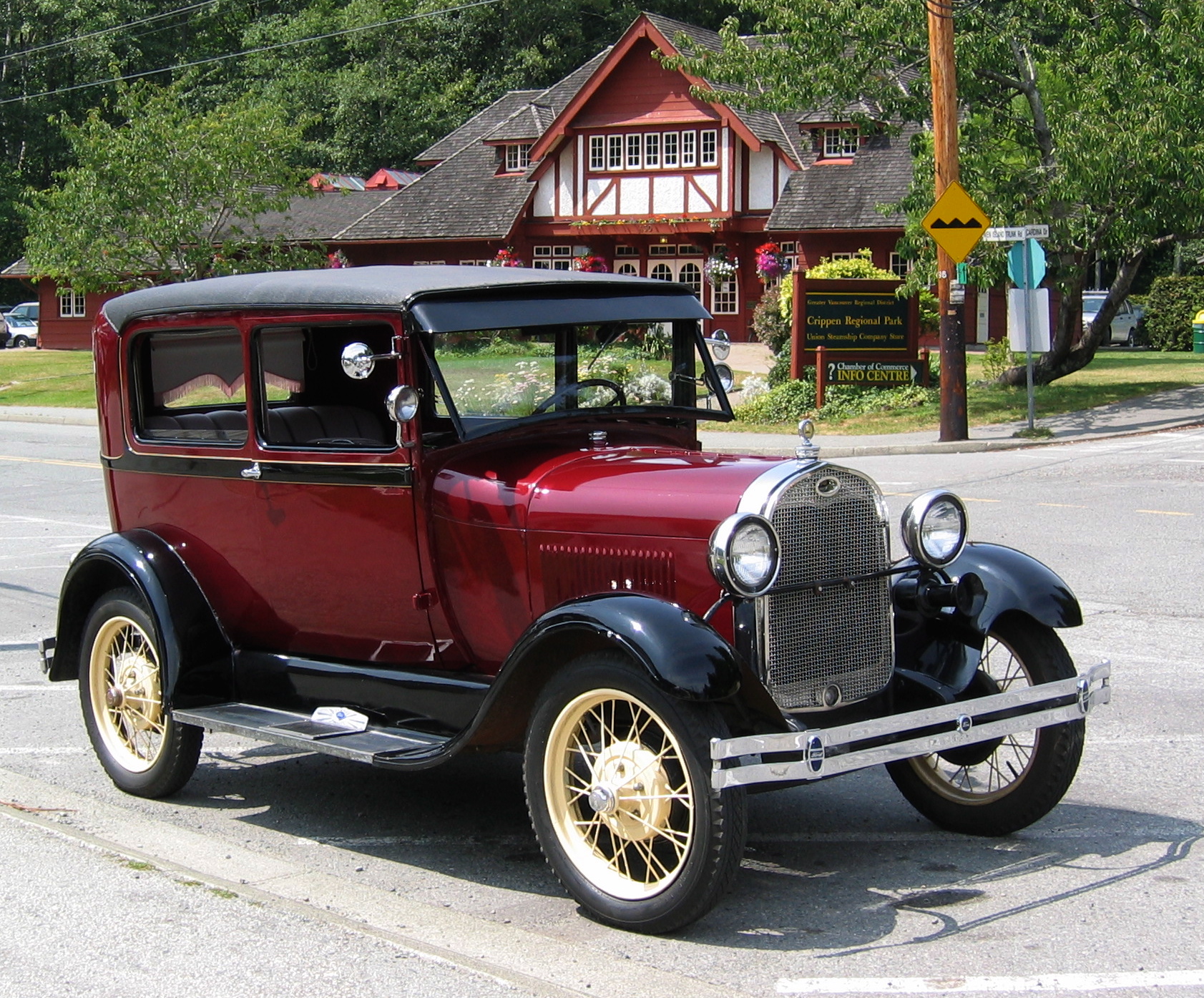 History of ford cars
 Ford cars uk
 Ford car parts
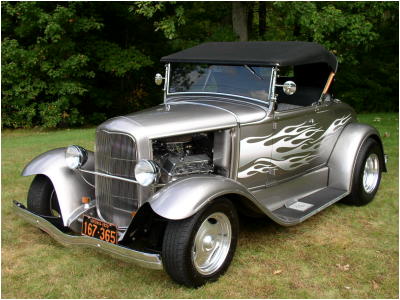 32 ford kit car
 New ford cars
 fordmini car
 ford mini car wallpaper
 ford car 2010
 ford new car wallpaper
 ford sports car 2010 photo
 ford car 2009 wallpaper ford car sport car
 ford mini car 2009

